
Real money blackjack play AUD built for local tables
When you sit down for real money blackjack play AUD, the whole point is usually a different kind of session than the usual spin-and-hope routine. You want a table that feels built for the room you’re in, not a generic overseas setup bolted onto an Australian layout. The trick is finding a product that keeps the maths honest, the language familiar, and the pacing right for an arvo at the screen. That’s the focus here, and it’s where most of the detail belongs.
What real money blackjack play AUD is built around
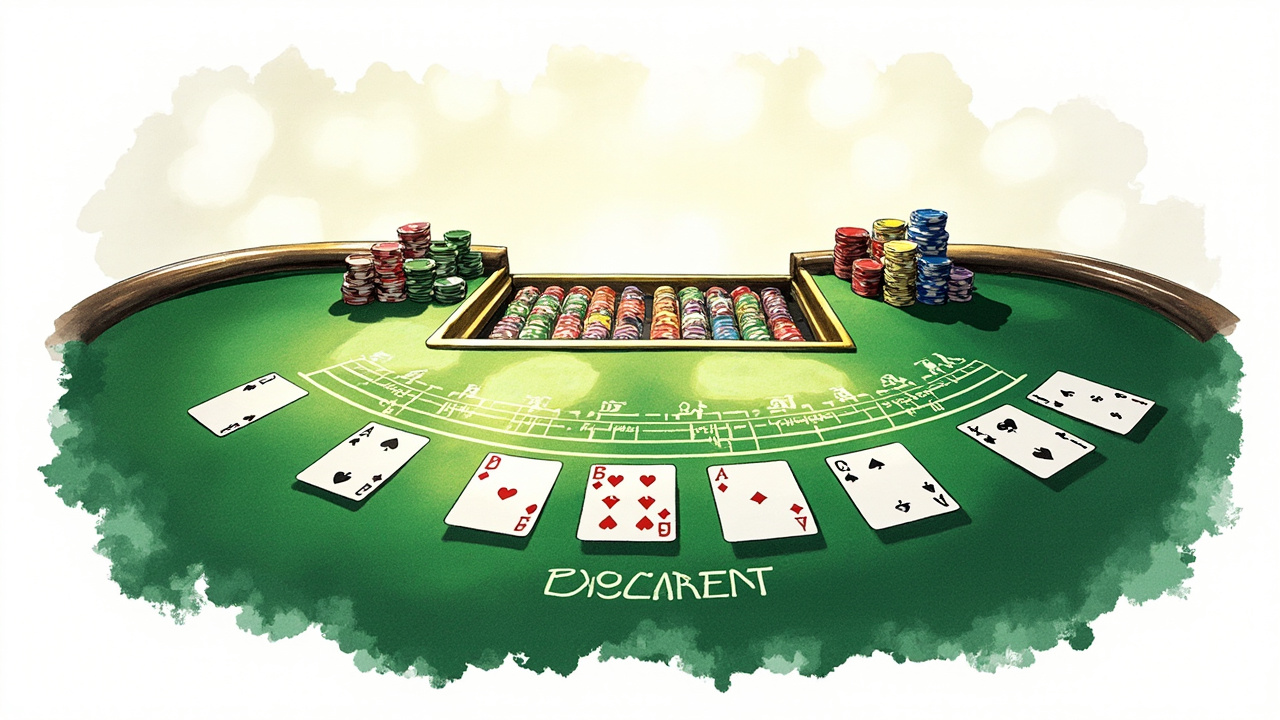
This isn’t about pretending a deck of cards behaves differently because the currency says dollars. It’s about how the table is presented, how the localisations actually land, and whether the session flow suits a player who wants to stay in control. A solid interface should read like something designed for the room, not a translated skin that still feels like it belongs somewhere else. Navigation needs to be obvious before you’re halfway through a hand, and the language on the screen should match the way Australians actually talk about the game, not a stiff glossary that sounds like it was written for another market. Currency handling matters just as much: when real money blackjack play AUD sits in front of you, the numbers should line up with the way you think about a bet, not force you to do mental conversion every time the dealer flips a card. That’s the kind of everyday usability that separates a table you can settle into from one you keep having to this option relearn. I’ve worked across cabinet builds where the same game had to feel right on an NYX floor and a NextGen floor, and the lesson was always the same – presentation and pacing do more work than people expect. A table that looks clean and moves at a sensible clip keeps you in the session; a cluttered one turns every decision into a small chore.
| Detail | What it looks like |
|---|---|
| Currency and display | AUD balances shown in dollars, with bet prompts in familiar increments |
| Localisation | Australian English copy, local date and time formatting, no awkward translations |
| Navigation | Table lobby and settings reachable in a few taps, with clear session controls |
| Providers and tables | Multiple blackjack variants with consistent layout and readable card presentation |
| Registration and verification | Standard identity checks before cash play, with clear steps shown up front |
| Mobile | Same table structure on phone, sized for a quick session rather than a stretched desktop view |
| Support and loyalty | Contact options listed plainly, with a points structure that rewards steady play rather than one-off volume |
Interface, localisation, and everyday usability
How the table reads on screen
A blackjack table shouldn’t ask you to translate the layout before you place a bet. The cards need to sit where you expect them, the controls should be where your thumb or mouse already goes, and the pace should feel like a real session rather than a slideshow. When the visual identity is clean, you spend your attention on the hand in front of you instead of hunting for the double-down button or the split option. That matters more than people admit, because a crowded screen turns a simple decision into a small frustration. I’ve seen the same problem on slot floors where a cabinet looked flashy but the playfield was a mess once the credits started moving – pretty packaging doesn’t help when the game is asking for a fast call. The same logic applies here: if the table is built around the hand and not around the decoration, you can actually play it properly.
Currency, language, and the local feel
The numbers on the table should match the way you’re thinking about a session in AUD, not force you to mentally re-denominate every time you tap a chip. Localisation is where a lot of products quietly lose the room. Australian English should sound natural in the copy, the dates and times should line up with the way you read your own phone, and the prompts should feel like they were written for the person sitting at the table, not for a market two time zones away. That kind of detail is what makes a session feel ordinary instead of like a translated demo. You can tell pretty quickly when a product has done the work, because the small things stop getting in the way. A delayed Sydney train can still get you where you’re going, but it’s never the same as a line that just runs – and a table with proper local feel is the same kind of difference.
Why the focus matters for the player
The reason this focus carries weight is that blackjack is a game where the setup either helps you stay present or quietly works against you. If the interface is clean, the currency is familiar, and the language lands properly, the session feels like something you can manage rather than something you have to decode. That’s the practical value of treating real money blackjack play AUD as a product built around local priorities instead of just another table with a different symbol on the balance. A packed Melbourne tram is a decent comparison – everyone’s in the same space, but the ride only works if the doors open where people expect them and the route makes sense. A blackjack table with proper localisation does the same job for the hand in front of you. Thomas Henderson, Head of Live Casino, Boomerang Gaming Insights, put it plainly when he said a well-localised table reduces the friction that turns a calm session into a distracted one. That’s the kind of detail that actually changes how a player uses the game day to day.ripper
William Hall, Compliance Director, Capital Territory Gaming Forum, noted that clear presentation and consistent local formatting are part of how a product earns trust without overpromising anything about outcomes. Alice Baker, Head of Operator Partnerships, Ironbark Compliance Advisory, added that the boring stuff – registration clarity, support visibility, and currency handling – is what keeps a table usable for regular play instead of a one-off look. None of that is glamorous, but it’s the bit that decides whether a session feels settled or awkward.Blackjack with a €1 minimum bet:
The takeaway is straightforward: if you’re weighing real money blackjack play AUD, the product that gets the local details right is usually the one that’s easier to live with over time. You don’t need a flashy promise to make the table work; you need clear layout, AUD that behaves like AUD, and a session flow that suits the way you actually play. That’s the difference between a table you keep coming back to and one you abandon after one frustrating hand.